
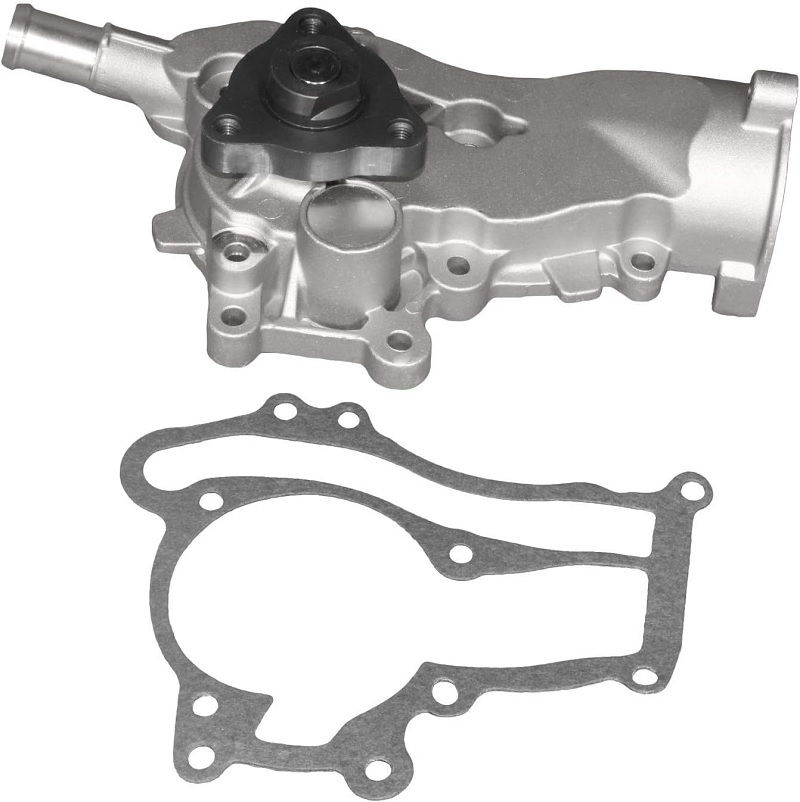
Replacing the water pump in your 2013 Chevy Cruze is a crucial maintenance task that, if neglected, can lead to serious engine damage. A failing water pump can cause overheating, which in turn can result in a cracked head, blown head gasket, or even a seized engine. This comprehensive guide will walk you through the process of replacing the water pump yourself, saving you money on labor costs and giving you the satisfaction of tackling a DIY car repair. We'll cover everything from identifying the signs of a failing water pump to the step-by-step replacement procedure, required tools, cost considerations, and essential safety precautions. While we focus on the 2013 Chevy Cruze, many of these principles apply to other vehicles as well, making this guide a valuable resource for anyone interested in car water pump replacement and home maintenance tips in general.
Identifying a Failing Water Pump
Before diving into the replacement, it’s important to accurately diagnose a failing water pump. Early detection can prevent more severe engine problems. Here are some common symptoms to look for: Overheating: This is the most obvious sign. If your Cruze's temperature gauge is consistently running high or the "check engine" light comes on with an overheating code, the water pump is a prime suspect. This is because the pump isn't circulating coolant effectively. Coolant Leaks: Look for coolant (usually green, orange, or pink) pooling under the front of your car. Check around the water pump itself for signs of leakage. Sometimes, the coolant can leak onto the exhaust manifold, creating a sweet, burning smell. Whining Noise: A failing water pump bearing can produce a high-pitched whining or grinding noise, especially noticeable when the engine is running. This noise often changes with engine RPM. Visible Damage: Inspect the water pump pulley for cracks or wobbling. A damaged pulley can indicate a problem with the water pump bearing or the pump itself. Steam Coming from the Engine: In severe cases, a failing water pump can cause coolant to boil, resulting in steam coming from under the hood. Neveropen the hood immediately if you see steam, as the coolant system will be under pressure and can cause severe burns.
If you observe one or more of these symptoms, it's time to consider replacing your 2013 Chevy Cruze water pump. Ignoring these signs can lead to costly repairs down the line.
Tools and Materials Required
Having the right tools and materials on hand will make the replacement process much smoother and safer. Here’s a comprehensive list:New Water Pump: Ensure you purchase a water pump specifically designed for your 2013 Chevy Cruze. Check the part number to guarantee compatibility. Reputable brands like ACDelco, Gates, and Bosch are generally recommended. New Coolant: Use the correct type of coolant specified for your Cruze. Using the wrong coolant can damage your engine. Dex-Cool is commonly used in GM vehicles. You'll need enough to refill the system after the replacement. Water Pump Gasket or Seal: A new gasket or seal is essential for a leak-free installation. Most new water pumps come with one, but double-check before you start. Socket Set: A standard socket set with metric sizes will be needed to remove bolts and fasteners. Wrench Set: A set of wrenches is also necessary, particularly for tight spaces. Torque Wrench: A torque wrench is crucial for tightening bolts to the correct specifications. Over-tightening can damage the water pump or engine block, while under-tightening can lead to leaks. Pliers: For removing hoses and clamps. Screwdrivers: Both flathead and Phillips head screwdrivers may be required. Coolant Drain Pan: To catch the old coolant. Funnel: For refilling the coolant system. Jack and Jack Stands: To safely lift and support the vehicle. Wheel Chocks: For added safety. Gloves: To protect your hands from coolant and sharp edges. Safety Glasses: To protect your eyes. Shop Rags: For cleaning up spills. Distilled Water: For flushing the cooling system (optional, but recommended). Penetrating Oil: To loosen stubborn bolts. Threadlocker (Loctite): For certain bolts (check your vehicle's repair manual). Repair Manual or Online Resources:A repair manual or reliable online resource specific to your 2013 Chevy Cruze will provide detailed instructions and torque specifications.
Step-by-Step Water Pump Replacement Guide
Follow these steps carefully to replace the water pump on your 2013 Chevy Cruze.
1. Safety First!
Park your Cruze on a level surface.
Engage the parking brake.
Place wheel chocks behind the rear wheels.
Disconnect the negative battery cable to prevent electrical shorts.
2. Drain the Coolant
Locate the radiator drain valve (usually at the bottom of the radiator).
Place the coolant drain pan under the valve.
Open the drain valve to allow the coolant to drain completely.
Once drained, close the valve. Important:Dispose of used coolant properly. It is toxic and harmful to the environment. Most auto parts stores will accept used coolant for recycling.
3. Remove the Serpentine Belt
Locate the serpentine belt tensioner.
Use a wrench or socket to relieve the tension on the tensioner.
Carefully remove the serpentine belt from the water pump pulley and other pulleys.
Make a diagram or take a picture of the belt routing to ensure you reinstall it correctly.
4. Remove the Water Pump Pulley
In many cases, you'll need to remove the water pump pulley to access the water pump bolts.
Use a pulley holder tool to prevent the pulley from rotating while you loosen the bolts.
Remove the bolts and carefully remove the pulley.
5. Disconnect Hoses and Electrical Connectors
Carefully disconnect any hoses connected to the water pump. Use pliers to loosen hose clamps if necessary.
Label the hoses to ensure you reconnect them correctly.
Disconnect any electrical connectors attached to the water pump.
6. Remove the Water Pump
Locate the bolts securing the water pump to the engine block.
Use a socket and wrench to remove the bolts.
You may need to use penetrating oil to loosen stubborn bolts.
Carefully remove the water pump. Be prepared for some residual coolant to spill.
7. Clean the Mounting Surface
Thoroughly clean the mounting surface on the engine block where the new water pump will be installed.
Remove any old gasket material or corrosion.
Use a scraper and a solvent to ensure a clean, smooth surface.
8. Install the New Water Pump
Install the new water pump gasket or seal onto the water pump or engine block.
Carefully align the new water pump with the mounting holes.
Install the bolts and tighten them to the manufacturer's specified torque using a torque wrench. Tightening sequence may be specified – follow it carefully. Important:Do not over-tighten the bolts, as this can damage the water pump or engine block.
9. Reconnect Hoses and Electrical Connectors
Reconnect all hoses to the water pump, ensuring they are securely fastened with clamps.
Reconnect any electrical connectors that were disconnected.
10. Reinstall the Water Pump Pulley
Reinstall the water pump pulley and tighten the bolts to the specified torque.
Use a pulley holder tool to prevent the pulley from rotating.
11. Reinstall the Serpentine Belt
Route the serpentine belt according to your diagram or picture.
Use a wrench or socket to relieve the tension on the tensioner.
Carefully place the belt onto the pulleys.
Release the tensioner and ensure the belt is properly seated on all pulleys.
12. Refill the Coolant System
Slowly refill the coolant system with the correct type of coolant.
Use a funnel to avoid spills.
Fill the system to the "full" mark on the coolant reservoir.
13. Bleed the Cooling System
Bleeding the cooling system removes air pockets that can cause overheating.
Consult your Cruze's repair manual for the specific bleeding procedure. Generally, this involves running the engine with the coolant reservoir cap off until the thermostat opens and air bubbles escape. You may need to add more coolant as air is purged.
14. Check for Leaks
Start the engine and let it run for several minutes.
Carefully inspect the water pump and hoses for leaks.
Check the coolant level and add more if needed.
15. Test Drive
Take your Cruze for a short test drive to ensure the temperature gauge remains within the normal range and there are no leaks.
Monitor the coolant level after the test drive and add more if needed.
Average Cost of Replacement
The cost of replacing a water pump on a 2013 Chevy Cruze can vary depending on whether you do it yourself or hire a professional mechanic.
DIY: The cost of a new water pump ranges from $50 to $200, depending on the brand and quality. You'll also need to factor in the cost of new coolant (around $20-$30) and any tools you may need to purchase. So, the total DIY cost could range from $70 to $250. Professional Mechanic: Labor costs can vary widely, but you can expect to pay between $200 and $500 in labor charges alone. Including the cost of the water pump and coolant, the total cost of professional replacement could range from $250 to $700 or more.
Therefore, doing it yourself can save you a significant amount of money, especially if you already have the necessary tools.
Common Mistakes to Avoid
Using the Wrong Coolant: Always use the coolant type specified for your 2013 Chevy Cruze. Mixing different types of coolant can cause corrosion and damage to the cooling system. Over-Tightening Bolts: Over-tightening bolts can damage the water pump or engine block. Use a torque wrench and follow the manufacturer's specifications. Forgetting to Bleed the Cooling System: Air pockets in the cooling system can cause overheating. Be sure to bleed the system properly after refilling it with coolant. Reusing Old Hoses or Clamps: Old hoses and clamps can be brittle and prone to leaking. It's best to replace them when replacing the water pump. Not Cleaning the Mounting Surface:A clean mounting surface is essential for a leak-free seal. Thoroughly clean the surface before installing the new water pump.
Preventive Maintenance Tips
Regularly Inspect Coolant Levels: Check your coolant level regularly and add coolant as needed. Flush the Cooling System: Flush the cooling system every 30,000 to 50,000 miles to remove sediment and debris. Use the Correct Coolant: Always use the coolant type specified for your Cruze. Inspect Hoses and Clamps: Regularly inspect hoses and clamps for leaks or damage. Replace them as needed. Listen for Unusual Noises:Pay attention to any unusual noises coming from the engine, such as whining or grinding. These noises could indicate a problem with the water pump.
By following these preventive maintenance tips, you can extend the lifespan of your water pump and avoid costly repairs. It also applies to other related components, like replacing refrigerator water filter, ensuring your water filter troubleshooting skills are up to par. Similarly, knowing DIY water heater repair tips can prevent larger plumbing issues. For example, knowing your "water heater replacement cost" helps in budgeting for home maintenance.
Safety Notes
Working with Coolant: Coolant is toxic and can be harmful if swallowed or inhaled. Wear gloves and safety glasses when handling coolant. If coolant comes into contact with your skin, wash it off immediately with soap and water. Working Under the Vehicle: Always use jack stands to support the vehicle when working underneath it. Never rely on the jack alone. Hot Engine: Allow the engine to cool completely before working on the cooling system. Hot coolant can cause severe burns. Electrical System: Disconnect the negative battery cable before starting any work on the cooling system. This will prevent electrical shorts. Proper Disposal:Dispose of used coolant properly. Do not pour it down the drain or onto the ground. Most auto parts stores will accept used coolant for recycling.
Brand-Specific Notes
While this guide is geared toward the 2013 Chevy Cruze, some general brand-specific notes can be helpful: GM (General Motors): GM vehicles, including the Cruze, often use Dex-Cool coolant. Ensure you use Dex-Cool or a compatible coolant when refilling the system. GM water pumps are generally reliable, but they can fail over time due to wear and tear. ACDelco: ACDelco is a common OEM (Original Equipment Manufacturer) supplier for GM vehicles. ACDelco water pumps are a reliable choice for your Cruze.
By following this comprehensive guide, you can confidently tackle the water pump replacement on your 2013 Chevy Cruze. Remember to prioritize safety, use the correct tools and materials, and follow the steps carefully. Not only will you save money on labor costs, but you'll also gain valuable experience in DIY car repair. Consider this another facet of home maintenance tips, just applied to your vehicle, much like fixing a bottle lid replacement, or any other small DIY plumbing fixes around the house.