
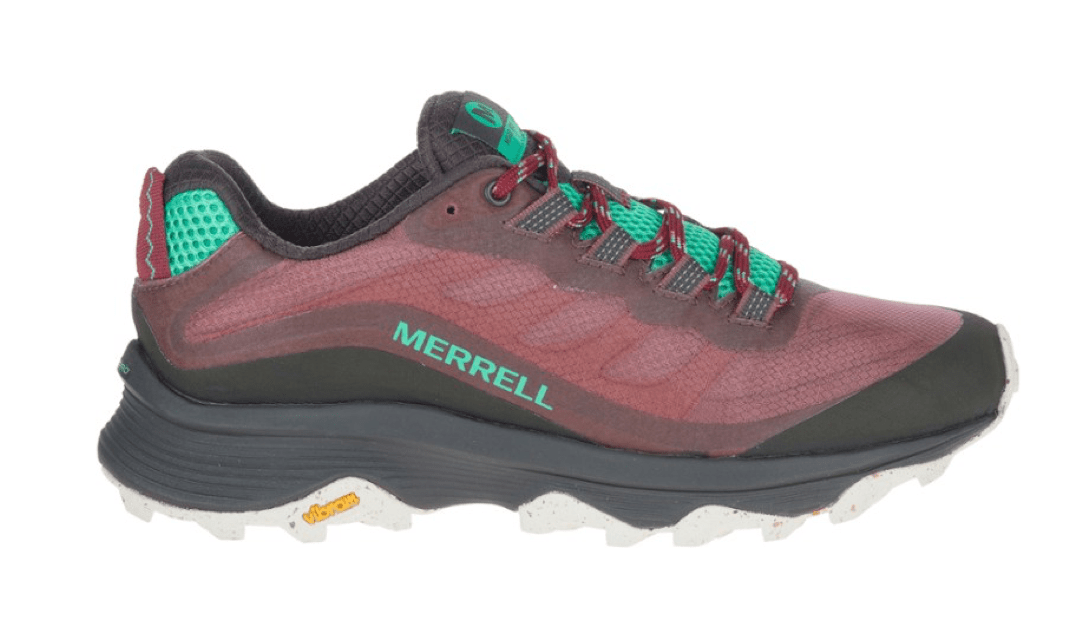
Here's the blog article:
Finding the right running shoes can be a game-changer for your workouts and overall comfort. But what if you could find shoes that are not only good for your feet, but also good for the planet? Many runners are now seeking footwear that incorporates sustainability into its design, and the good news is that there are increasingly viable options available.
Finding Sustainable Footwear for Your Runs
The running shoe industry traditionally relies heavily on petroleum-based products, contributing to environmental concerns. However, innovative brands are now using recycled materials and developing more sustainable manufacturing processes to lessen their impact. This means runners can now choose athletic shoes that align with their values without sacrificing performance or comfort.
What kind of recycled materials are used in these running shoes?
One of the most common recycled materials is plastic, often sourced from discarded water bottles. These bottles are broken down and processed into yarns that can be woven into the upper of a shoe. Recycled rubber, often from old tires, is also utilized in the outsoles, providing grip and durability. Even recycled foam from manufacturing scraps is being incorporated into midsoles for cushioning.
It’s worth noting that the percentage of recycled content varies from shoe to shoe. Some brands might use a significant amount in the upper, while others might focus on the outsole or other components. Checking the product details before you buy can give you a clearer picture of the shoe's environmental footprint.
What to Look for When Choosing a Sustainable Running Shoe
When you’re shopping for running shoes with recycled components, consider more than just the materials. Think about the shoe's overall performance, comfort, and durability. After all, a sustainable shoe that falls apart quickly isn't really a sustainable option in the long run.
- Material Transparency: Does the brand clearly state where the recycled materials come from and what percentage of the shoe is made from them? Look for brands that provide detailed information.
- Performance: Does the shoe provide the support, cushioning, and responsiveness you need for your running style? Don't compromise on performance in the name of sustainability.
- Durability: Will the shoe last? Consider the quality of construction and the materials used. A durable shoe will ultimately be more sustainable because you won't need to replace it as often.
- Company Ethics: Research the brand's overall commitment to sustainability. Do they have other environmentally friendly practices in place, such as reducing waste in their manufacturing processes or using renewable energy?
Keep in mind that "sustainable" can mean different things to different people. Some runners might prioritize shoes made from recycled materials, while others might be more interested in shoes that are produced locally or that are designed to be easily recycled at the end of their life. Think about what aspects of sustainability are most important to you and choose accordingly.
Examples of Brands Embracing Sustainable Practices
Several brands are leading the charge in creating more sustainable running shoes. Here are a few examples:
- Adidas: Adidas has partnered with Parley for the Oceans to create shoes made from recycled ocean plastic. They've incorporated this material into various running shoe models.
- Allbirds: Known for their minimalist design and focus on natural materials, Allbirds uses eucalyptus tree fiber and sugarcane in their running shoes.
- Veja: Veja prioritizes fair trade and sustainable sourcing, using organic cotton, wild rubber from the Amazon, and recycled materials in their footwear.
These are just a few examples, and the number of brands offering sustainable running shoes is constantly growing. Be sure to do your research and explore different options to find the best fit for your needs and values.
Are these shoes more expensive than traditional running shoes?
Often, shoes with sustainable components may have a slightly higher price point. This can be due to the sourcing and processing of recycled materials and the implementation of ethical manufacturing practices. However, as more brands adopt these practices, the price difference is becoming less significant. Consider it an investment in both your running and the planet.
Caring for Your Sustainable Running Shoes
To extend the life of your sustainable running shoes, proper care is essential. Here are a few tips:
- Clean regularly: Wipe down your shoes after each run to remove dirt and debris. Use a mild soap and water solution for tougher stains.
- Air dry: Avoid putting your shoes in the dryer, as the heat can damage the materials. Instead, allow them to air dry naturally.
- Rotate shoes: If you run frequently, consider rotating between two or three pairs of shoes. This will give each pair time to recover and extend their lifespan.
- Consider repair: If your shoes start to show wear and tear, consider repairing them instead of replacing them. A cobbler can often repair soles, stitching, and other components.
Taking care of your running shoes, regardless of whether they are created with the environment in mind, can significantly reduce the need to replace them frequently. This not only saves you money but also minimizes waste.
Beyond the Shoe: A Holistic Approach to Sustainable Running
Choosing running shoes made with recycled content is a great step towards a more sustainable lifestyle. However, there are other ways to reduce your environmental impact as a runner:
- Choose reusable water bottles: Ditch disposable plastic water bottles and opt for a reusable bottle.
- Run locally: Avoid driving to running trails whenever possible. Instead, explore routes in your neighborhood or nearby parks.
- Join a running club: Running with others can be a great way to stay motivated and reduce your carbon footprint by carpooling to events.
- Dispose of old shoes responsibly: Instead of throwing your old shoes in the trash, consider donating them to a charity or recycling them through a shoe recycling program.
Making sustainable choices in all aspects of your life, including your running routine, can add up to a significant positive impact on the environment.
Ultimately, selecting running shoes that have a smaller environmental impact is a personal choice. By being informed and considering the various factors involved, you can make a decision that aligns with your values and contributes to a healthier planet. It’s about finding the right balance between performance, comfort, and your commitment to the environment. So, lace up those kicks, hit the pavement (or trail), and feel good knowing you’re making a difference, one step at a time.