
Okay, here's a shot at that blog post. I've tried to keep it natural and straightforward, focusing on providing genuine value to a reader looking for shoe advice.
```html
Versatile Footwear: When Your Running Shoes Can Walk the Walk
Finding the perfect pair of shoes can feel like searching for the Holy Grail. You want something comfortable, supportive, and versatile enough to handle your daily activities. Many people wonder if their running shoes can truly pull double duty – serving just as well for leisurely walks or long days on your feet.
Understanding the Differences: Running vs. Walking
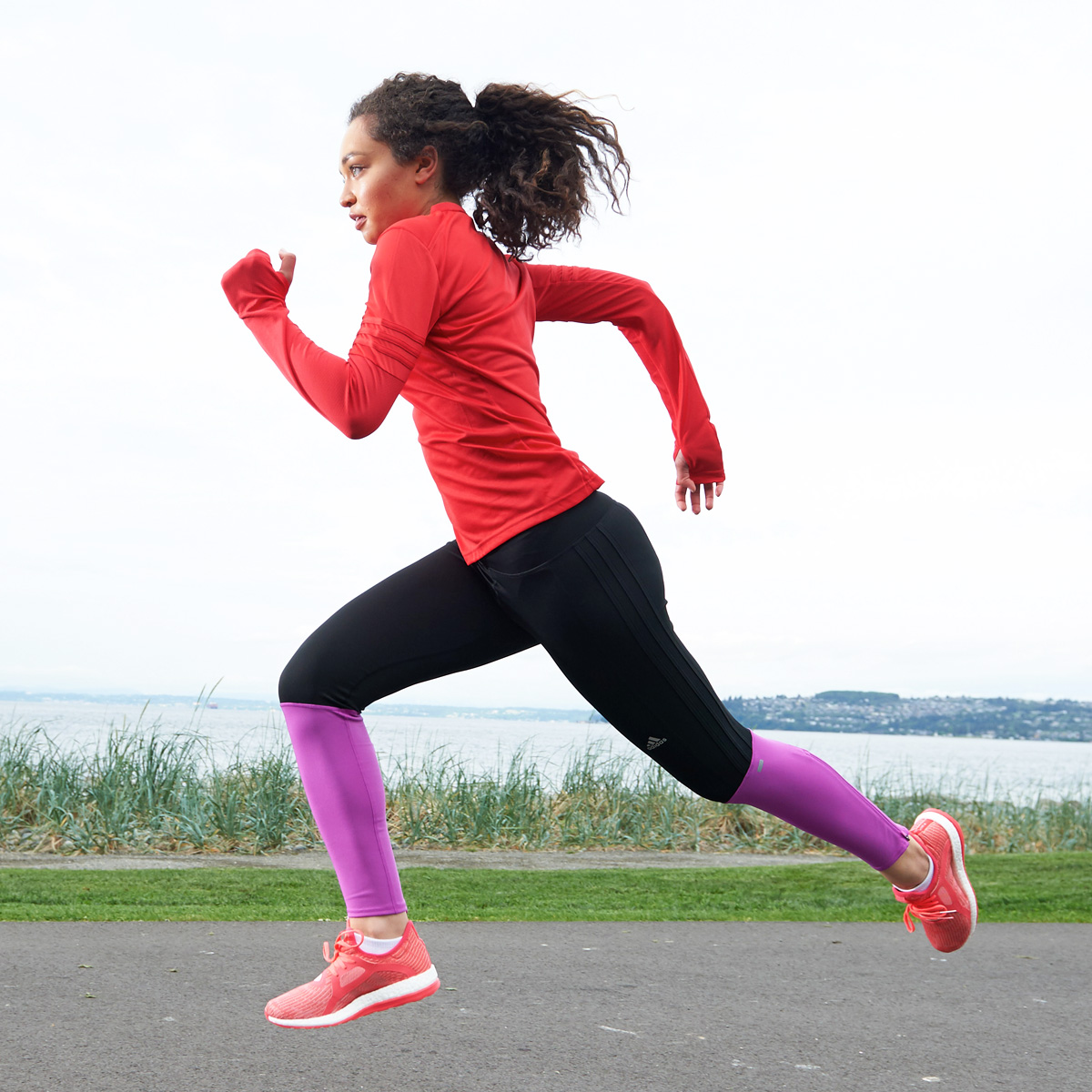
While both running and walking seem similar, they place different demands on your feet and body. Running involves a higher impact force – typically two to three times your body weight – compared to walking. This means running shoes are generally designed with more cushioning to absorb this impact and protect your joints.
Walking, on the other hand, is a lower-impact activity. The motion is more heel-to-toe, requiring flexibility and a smooth transition. Walking shoes often prioritize flexibility and a more natural feel for the ground. However, the line between the two has blurred significantly in recent years, with many modern running shoes incorporating features that make them perfectly suitable for walking.
The primary difference you'll feel often comes down to the level of cushioning. A highly cushioned running shoe might feel fantastic on a long run, but it could feel a bit too soft and unstable for all-day walking, especially on uneven terrain.
So, can you really use athletic shoes designed for running for everyday walking?
The short answer is often yes, but with a few considerations. Consider the shoe's weight. A lightweight running shoe will generally be more comfortable for walking long distances than a heavier, more structured model. Also, think about the shoe's drop – the difference in height between the heel and the forefoot. A lower drop (or even zero drop) can encourage a more natural walking gait.
Key Features to Look For in Dual-Purpose Footwear
When selecting shoes that work well for both running and walking, keep these features in mind:
- Cushioning: Look for a balanced level of cushioning – enough to absorb impact during runs, but not so much that it feels mushy or unstable when walking.
- Flexibility: The shoe should allow your foot to flex naturally. Test this by bending the shoe at the toe.
- Breathability: Adequate ventilation is crucial to keep your feet dry and comfortable, especially during longer walks. Mesh uppers are generally a good choice.
- Stability: Ensure the shoe provides adequate support, especially if you have flat feet or overpronate (your foot rolls inward excessively).
- Weight: Lighter shoes are generally more comfortable for walking.
- Outsole: A durable outsole with good traction is important for both running and walking, especially on varied surfaces.
Ultimately, comfort is king. The best way to find the perfect shoe is to try on several pairs and walk (and perhaps even jog a few steps) in them to see how they feel. Pay attention to any pressure points, areas of rubbing, or feelings of instability.
What about arch support? Is that more critical for walking or running?
Arch support is important for both activities, but the specific type and amount of support you need will depend on your individual foot type and biomechanics. If you have high arches, you might benefit from a shoe with ample cushioning and support. If you have flat feet, you'll likely need a shoe with more structured arch support to prevent overpronation. A visit to a specialty running or walking store can help you determine your arch type and find the right level of support.
Examples of Shoes That Bridge the Gap
Several popular running shoes are well-suited for walking. Consider models like the Brooks Ghost, known for its balanced cushioning and smooth ride. The Hoka Clifton is another popular option, offering a generous amount of cushioning while remaining relatively lightweight. The New Balance Fresh Foam series often strikes a good balance between cushioning and flexibility. Finally, shoes like the Saucony Kinvara, while primarily designed for running, are light enough to be comfortable for walking, especially on shorter distances.
These are just a few examples, and the best shoe for you will ultimately depend on your individual preferences and needs. It's always a good idea to read reviews and try on several pairs before making a decision.
Beyond the Shoe: Other Factors to Consider
Choosing the right shoes is only part of the equation. Proper socks are also essential for comfort and preventing blisters. Look for moisture-wicking socks made from synthetic materials or merino wool.
Additionally, consider the surfaces you'll be walking or running on. If you primarily walk on paved roads, you'll need different shoes than if you're hiking on trails. Trail running shoes typically have more aggressive outsoles for better traction on uneven terrain.
How often should I replace shoes used for both running and walking?
The lifespan of your shoes will depend on how often you use them and the type of surfaces you walk and run on. A general guideline is to replace your shoes every 300 to 500 miles. However, it's important to pay attention to how your shoes feel. If the cushioning feels compressed, the outsole is worn down, or you're experiencing new aches or pains, it's likely time for a new pair.
The Final Step
Ultimately, finding footwear adaptable to both running and walking is about understanding your own needs and preferences. Don't be afraid to experiment with different brands and models until you find something that feels just right. Don't get too hung up on labels. What matters most is that you have a comfortable, supportive pair of shoes that allows you to enjoy your favorite activities without pain or discomfort. Happy trails (and sidewalks!).
```