
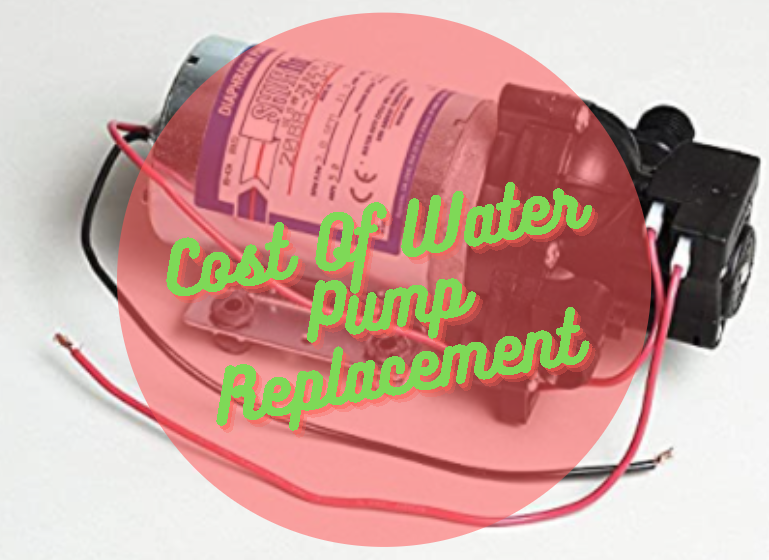
An RV's water pump is the heart of its plumbing system, providing pressurized water to your faucets, shower, and toilet. When it fails, your comfortable mobile lifestyle grinds to a halt. Fortunately, replacing an RV water pump is a relatively straightforward DIY project that can save you a significant amount compared to professional service. This guide walks you through the process, the tools you'll need, and a breakdown of the costs involved. We'll also cover preventive maintenance to help extend the life of your new pump. If you're also thinking about other DIY plumbing fixes, such as replacing a refrigerator water filter or even bigger jobs like evaluating water heater replacement cost, this guide will give you the confidence to tackle these projects. And remember, just like knowing when a car water pump replacement is due, understanding your RV’s systems is crucial for smooth travels.
Why Replace Your RV Water Pump?
RV water pumps don't last forever. Several factors can lead to their failure, including: Age: Like any mechanical device, RV water pumps wear out over time. The diaphragm and valves inside the pump can become brittle and crack, leading to reduced pressure or complete failure. Most RV water pumps have a lifespan of 5-10 years, depending on usage. Dry Running: Running the pump without water can cause it to overheat and damage the internal components. This is one of the most common causes of premature pump failure. Freezing: Allowing water to freeze inside the pump can crack the housing or damage the internal mechanisms. This is especially a concern during winter storage. Debris: Sediment and debris in your water tank can clog the pump's filter and eventually damage the pump itself.
Signs of a Failing RV Water Pump
Low Water Pressure: A noticeable decrease in water pressure at your faucets and showerheads is a key indicator. Pulsing Water Flow: Erratic water flow, with periods of high and low pressure, suggests a problem with the pump's internal valves. Pump Runs Continuously: If the pump runs constantly, even when no water is being used, it could indicate a leak in the system or a faulty pressure switch. Noisy Operation: Unusual noises, such as excessive vibration or a loud humming sound, can signal a worn-out pump. Water Leaks:Visible water leaks around the pump are a clear sign of a problem.
Tools and Materials Required
Before you begin the replacement process, gather the necessary tools and materials: New RV Water Pump: Choose a replacement pump with the same voltage and flow rate as your old one. Popular brands include Shurflo and Seaflo. Pay attention to the GPM (gallons per minute) rating. Basic Hand Tools:
Screwdrivers (Phillips and flathead)
Pliers
Adjustable wrench
Wire strippers/crimpers Plumbing Supplies:
PTFE thread seal tape (Teflon tape)
Hose clamps (if needed)
Short lengths of flexible water hose (if needed)
PEX crimper (if you have PEX plumbing – otherwise you'll need the appropriate tool for your RV's plumbing connections)
PEX rings or other fittings appropriate for your plumbing (if you have PEX plumbing) Electrical Supplies:
Wire connectors (butt connectors or wire nuts)
Electrical tape Other:
Bucket and towels (for catching spills)
Gloves
Safety glasses
Multimeter (to check for power)
Water tank sanitizer (for after the replacement)
Step-by-Step RV Water Pump Replacement Guide
Here's a detailed guide to replacing your RV water pump:1. Safety First:
Disconnect your RV from shore power and turn off the water pump breaker at the RV's electrical panel. This prevents accidental electrical shock.
Turn off and disconnect the RV's water heater. This prevents it from running dry when you drain the system.
Wear safety glasses to protect your eyes from debris or splashing water.
2. Depressurize and Drain the Water System
Open all faucets (both hot and cold) to relieve pressure in the water lines.
Locate and open the low point drains (usually two valves, one for hot water and one for cold). These are typically located under the RV, near the water lines. Allow the water to drain completely.
Open the drain valve on your water heater (after it's cooled down!). Remove the drain plug completely to ensure all water is drained. Replace the plug after draining.
3. Access the Water Pump
Locate your RV's water pump. It's often located in a storage compartment, under a bed, or behind a panel.
Remove any panels or obstructions that are blocking access to the pump.
4. Disconnect the Old Water Pump
Place a bucket and towels under the pump to catch any remaining water.
Disconnect the water lines from the pump. Note how they are connected (e.g., with hose clamps, PEX fittings). If using PEX, use the PEX crimper to remove the old fittings.
Disconnect the electrical wires from the pump. Note the wire colors (usually black for negative and white or red for positive) or take a picture before disconnecting them.
5. Install the New Water Pump
Attach any necessary fittings to the new pump, such as hose barbs or PEX adapters. Use PTFE thread seal tape on threaded connections to prevent leaks.
Connect the water lines to the new pump, ensuring they are securely fastened. If using hose clamps, tighten them firmly. If using PEX, crimp the new fittings securely.
Connect the electrical wires to the new pump, matching the wire colors from the old pump. Use wire connectors to create secure connections. Wrap the connections with electrical tape for added protection.
6. Secure the Pump
Mount the new pump in the same location as the old one, using the original mounting screws or bolts. Ensure the pump is securely fastened to prevent vibration and noise.
7. Prime the Pump
Close all faucets and low point drains.
Partially fill your RV's fresh water tank.
Turn on the water pump breaker at the electrical panel.
Open the faucet furthest from the pump. Allow the pump to run until water flows steadily and all air is purged from the lines.
Repeat this process for all faucets and fixtures in your RV, including the shower and toilet.
8. Check for Leaks
Carefully inspect all connections for leaks. Tighten hose clamps or fittings as needed.
Run the water pump for several minutes to ensure there are no leaks under pressure.
9. Sanitize the Water System
Sanitize your RV's fresh water system to eliminate any bacteria that may have entered during the repair process. Add 1/4 cup of household bleach for every 15 gallons of tank capacity.
Fill the fresh water tank completely and run the pump until bleach water flows from all faucets and fixtures.
Let the bleach water sit in the system for at least 4 hours, or preferably overnight.
Drain the system completely and flush with fresh water until the bleach odor is gone.
Cost Breakdown
Replacing an RV water pump yourself can save you a significant amount compared to professional service. Here's a cost breakdown: New RV Water Pump: \$50 - \$200 (depending on brand, flow rate, and features) Plumbing Supplies (hose clamps, fittings, PTFE tape): \$10 - \$30 Electrical Supplies (wire connectors, electrical tape): \$5 - \$10 Tools (if needed): \$0 - \$50 (assuming you already have basic hand tools)
Total DIY Cost: \$65 - \$290
Professional Installation Cost: \$150 - \$400 (including the cost of the pump and labor)
As you can see, doing the job yourself can save you \$85 - \$110, or even more if the professional charges a premium for labor. Considering even smaller projects, like a simple bottle lid replacement can cost a few dollars, the potential savings from DIY plumbing adds up quickly!
Common Mistakes to Avoid
Forgetting to Depressurize the System: Failing to relieve pressure in the water lines can make it difficult to disconnect the pump and can lead to water spraying everywhere. Over-Tightening Fittings: Over-tightening fittings can damage the threads and cause leaks. Tighten fittings snugly, but don't overtighten. Using the Wrong Type of Fittings: Using incorrect fittings can lead to leaks and damage to the plumbing system. Make sure to use fittings that are compatible with your RV's plumbing (e.g., PEX, hose barbs). Ignoring Leaks: Even small leaks can cause significant water damage over time. Carefully inspect all connections for leaks and repair them immediately. Skipping Sanitization:Skipping the sanitization process can leave your water system contaminated with bacteria.
Preventive Maintenance Tips
Winterize Your RV Properly: Completely drain the water system before storing your RV for the winter to prevent freezing damage. Use a Water Filter: Install a water filter to remove sediment and debris from your water supply. Clean or replace the filter regularly, in line with the manufacturer's guidelines. Consider a whole-RV water filter for comprehensive protection. Replacing refrigerator water filter regularly is also crucial for water quality. Avoid Dry Running: Never run the water pump without water in the tank. This can damage the pump's internal components. Inspect the Pump Regularly: Periodically inspect the pump for leaks, cracks, or other signs of damage. Consider a Pump Saver:A pump saver device can protect your pump from damage caused by low water levels or dry running.
Safety Notes
Always disconnect the RV from shore power and turn off the water pump breaker before working on the electrical system.
Wear safety glasses to protect your eyes from debris or splashing water.
Be careful when handling plumbing fittings and tools to avoid cuts or injuries.
If you're not comfortable working with electrical or plumbing systems, consult a qualified RV technician.
Replacing your RV water pump is a manageable DIY project that can save you money and keep your RV's plumbing system running smoothly. By following these steps and taking proper precautions, you can confidently tackle this repair and enjoy your RV adventures without water pressure worries. If you are considering additional home maintenance tips and are comfortable with DIY water heater repair, you can save even more money maintaining your home. Remember to always prioritize safety and consult a professional if you are unsure about any aspect of the repair. And just as you'd keep an eye on the maintenance of your RV, pay attention to other areas in your life - sometimes the smallest fixes, like finding a bottle lid replacement, can make a big difference in your day-to-day experience.