
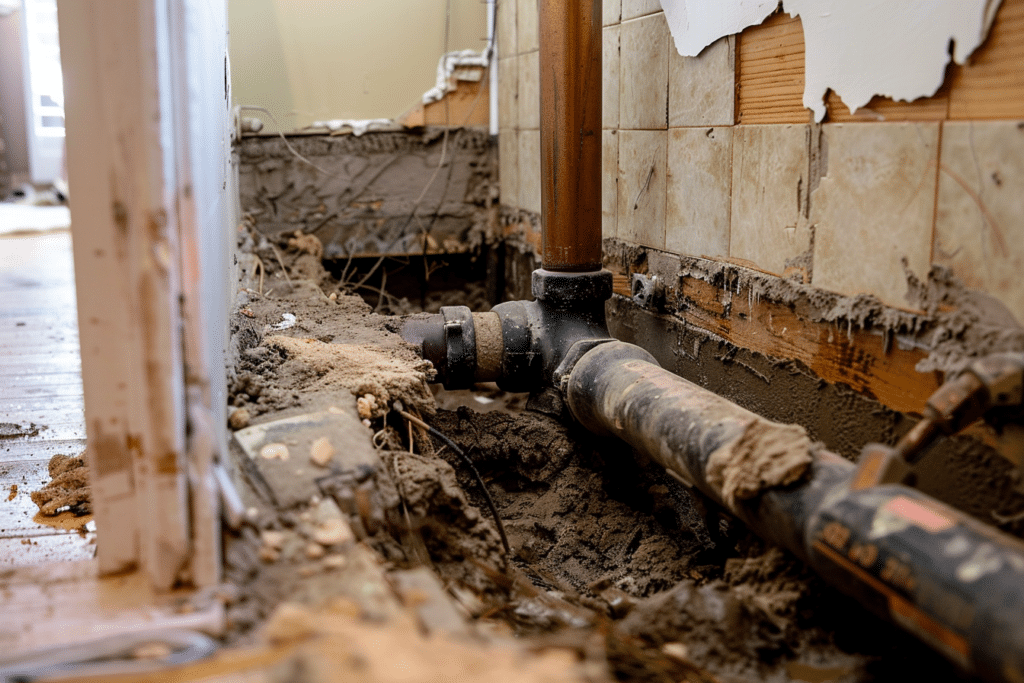
Replacing your home's main water line is a significant undertaking, but understanding the process, potential costs, and essential tips can empower you to make informed decisions. Whether you're a seasoned DIY enthusiast or prefer to leave it to the professionals, this comprehensive guide will walk you through everything you need to know.
When is Main Water Line Replacement Necessary?
Recognizing the signs of a failing water main is crucial to prevent costly damage. Unlike minor DIY plumbing fixes, a compromised main water line can lead to low water pressure, discolored water, and even structural issues.
Age: Most water lines have a lifespan of 50-70 years, depending on the material. If your home is older, the line may be nearing the end of its service life. Corrosion: Over time, pipes can corrode, especially in areas with acidic soil. Leaks: Puddles in your yard or a consistently damp foundation can indicate a leak in the main water line. Don't ignore these signs – they could lead to more significant problems. Low Water Pressure: While other factors can cause low pressure, a deteriorating main line is a common culprit. Discolored Water:Rust-colored or sediment-filled water suggests corrosion or a break in the line.
Ignoring these warning signs can result in a burst pipe, leading to extensive water damage and expensive repairs. It's always best to address potential problems proactively.
Identifying Your Water Line Material
The type of material used for your main water line significantly impacts its lifespan, performance, and replacement cost. Common materials include: Copper: Durable and resistant to corrosion, copper is a popular choice. However, it can be susceptible to pinhole leaks in areas with aggressive water chemistry. Galvanized Steel: Once a standard, galvanized steel pipes are prone to corrosion and rust, often leading to reduced water flow and eventual failure. PVC (Polyvinyl Chloride): A cost-effective option, PVC is resistant to corrosion and suitable for many soil conditions. However, it can become brittle over time, especially in cold climates. PEX (Cross-linked Polyethylene): Flexible and durable, PEX is gaining popularity for its ease of installation and resistance to freezing. It's a great option when performing water heater replacement.
Determining the material of your existing water line can help you choose the best replacement option. A professional plumber can assist with identification if you're unsure.
Step-by-Step Replacement Process
Replacing a main water line is a complex task that requires careful planning and execution. While some experienced DIYers may attempt the project themselves, it's generally recommended to hire a licensed plumber. If you choose the DIY route, proceed with caution and follow all local codes and regulations.
Here's a general overview of the replacement process:
1.Permitting: Obtain the necessary permits from your local municipality before starting any work. This ensures compliance with building codes and safety regulations.
2.Locate the Water Meter and Shut-Off Valves: Identify the location of your water meter and the main shut-off valves, both inside and outside your home. Familiarize yourself with their operation.
3.Excavation: Dig a trench from the water meter or property line to your home's foundation. The depth of the trench will depend on local frost line requirements. Call 811 before you dig to locate underground utilities.
4.Cut and Remove the Old Water Line: Carefully cut the old water line at both ends (meter and foundation). Remove the old pipe from the trench.
5.Install the New Water Line: Lay the new water line in the trench, ensuring it is properly supported and protected. Use appropriate fittings and connectors to join sections of pipe.
6.Connect to the Water Meter and House: Connect the new water line to the water meter and your home's plumbing system. Ensure all connections are watertight.
7.Pressure Testing: Before backfilling the trench, conduct a pressure test to check for leaks. Turn on the water supply slowly and monitor the pressure gauge.
8.Backfilling: Carefully backfill the trench, compacting the soil to prevent settling.
9.Restoration: Restore the landscaping and any disturbed surfaces.
This process can be significantly more complex depending on your location, soil conditions, and the type of water line you're installing. Seeking professional help is usually the safest and most efficient approach.
Tools and Materials Required
The following tools and materials are typically required for a main water line replacement: Shovels and Trenching Tools: For excavating the trench. Pipe Cutter: For cutting the old and new water line. Fittings and Connectors: Appropriate fittings for the type of pipe you're using (e.g., copper fittings, PVC couplings, PEX connectors). Pipe Wrench: For tightening fittings. PVC Primer and Cement (if using PVC): For joining PVC pipes. PEX Crimp Tool or Expansion Tool (if using PEX): For making PEX connections. Tape Measure: For accurate measurements. Level: For ensuring proper slope. Compaction Tool: For compacting the soil after backfilling. Safety Glasses and Gloves: For personal protection.
Renting specialized tools can be a cost-effective option if you don't own them already.
Average Cost of Replacement
The cost of replacing a main water line varies significantly depending on several factors: Location: Costs can vary by region due to labor rates and material prices. Length of the Water Line: Longer water lines require more materials and labor. Type of Material: Copper is generally more expensive than PVC or PEX. Complexity of the Job: Difficult terrain, buried obstacles, or the need for specialized equipment can increase costs. Permitting Fees:Local municipalities charge fees for permits and inspections.
As a general estimate, expect to pay between \$1,500 and \$5,000 for a professional main water line replacement. DIY replacement can save on labor costs but requires careful planning and execution.
Common Mistakes to Avoid
Replacing a main water line is a challenging project, and several common mistakes can lead to problems: Not Obtaining Permits: Working without permits can result in fines and delays. Damaging Underground Utilities: Always call 811 before digging to locate underground utilities. Striking a gas line or electrical cable can be dangerous and expensive. Using Incorrect Fittings: Using the wrong fittings can lead to leaks and system failures. Ensure you use fittings compatible with the type of pipe you're using. Improper Pipe Depth: Burying the water line too shallow can expose it to freezing temperatures. Poor Compaction: Inadequate compaction can cause the soil to settle, damaging the water line. Neglecting Safety: Always wear safety glasses and gloves when working with plumbing tools and materials.
Avoiding these mistakes can save you time, money, and headaches.
Preventive Maintenance Tips
While main water line replacement is sometimes unavoidable, proactive maintenance can extend its lifespan: Monitor Water Pressure: High water pressure can stress your plumbing system. Install a pressure regulator to maintain optimal pressure. Insulate Pipes: Insulate exposed pipes to prevent freezing in cold weather. Address Leaks Promptly: Repair any leaks promptly to prevent water damage and corrosion. Regular Inspections: Have your plumbing system inspected regularly by a licensed plumber. Consider Water Softening:If you have hard water, consider installing a water softener to reduce mineral buildup and corrosion.
Regular maintenance can help you identify potential problems early and prevent costly repairs.
Safety Notes
Working with plumbing systems can be dangerous. Always follow these safety precautions: Turn Off the Water Supply: Always turn off the water supply before starting any plumbing work. Wear Safety Glasses and Gloves: Protect your eyes and hands from debris and chemicals. Work in a Well-Ventilated Area: When using PVC primer and cement, work in a well-ventilated area to avoid inhaling harmful fumes. Follow Local Codes and Regulations: Ensure all work complies with local plumbing codes and regulations. If in Doubt, Hire a Professional:If you're unsure about any aspect of the replacement process, hire a licensed plumber.
Alternative Plumbing Solutions
Before jumping into a full main water line replacement, consider whether alternative solutions might address your specific issue. For example, if you're experiencing low water pressure, the problem might stem from mineral buildup in your pipes or a faulty pressure regulator, rather than a complete water line failure. Similarly, if you're dealing with localized leaks, a spot repair might be sufficient. Explore all options with a qualified plumber to ensure you're making the most cost-effective and appropriate choice. This is especially true if you're considering a DIY water heater repair, as a professional can quickly diagnose the problem. Also, remember to routinely maintain items such as replacing refrigerator water filter.
Understanding Water Filter Replacements
While focusing on the main water line, it's a good time to consider other water-related components in your home, such as water filters. Whether it's the kitchen water filter guide you've been putting off or even figuring out bottle lid replacement on your refillable container, maintaining these items can drastically improve water quality.
Considerations for RV Plumbing Replacement
If you also own an RV, it's worth noting that RV plumbing systems require specific attention. RV plumbing replacement often involves working with different materials and tighter spaces. Regular inspection and maintenance are crucial to prevent leaks and ensure a reliable water supply during your travels.
Conclusion
Replacing a main water line is a major home improvement project that requires careful planning and execution. By understanding the process, potential costs, and essential tips, you can make informed decisions and ensure a successful outcome. Whether you choose to tackle the project yourself or hire a professional, prioritize safety and compliance with local codes and regulations. Remember to routinely perform common maintenance tasks and regularly look into DIY plumbing fixes to keep the plumbing in your home or RV working efficiently.