
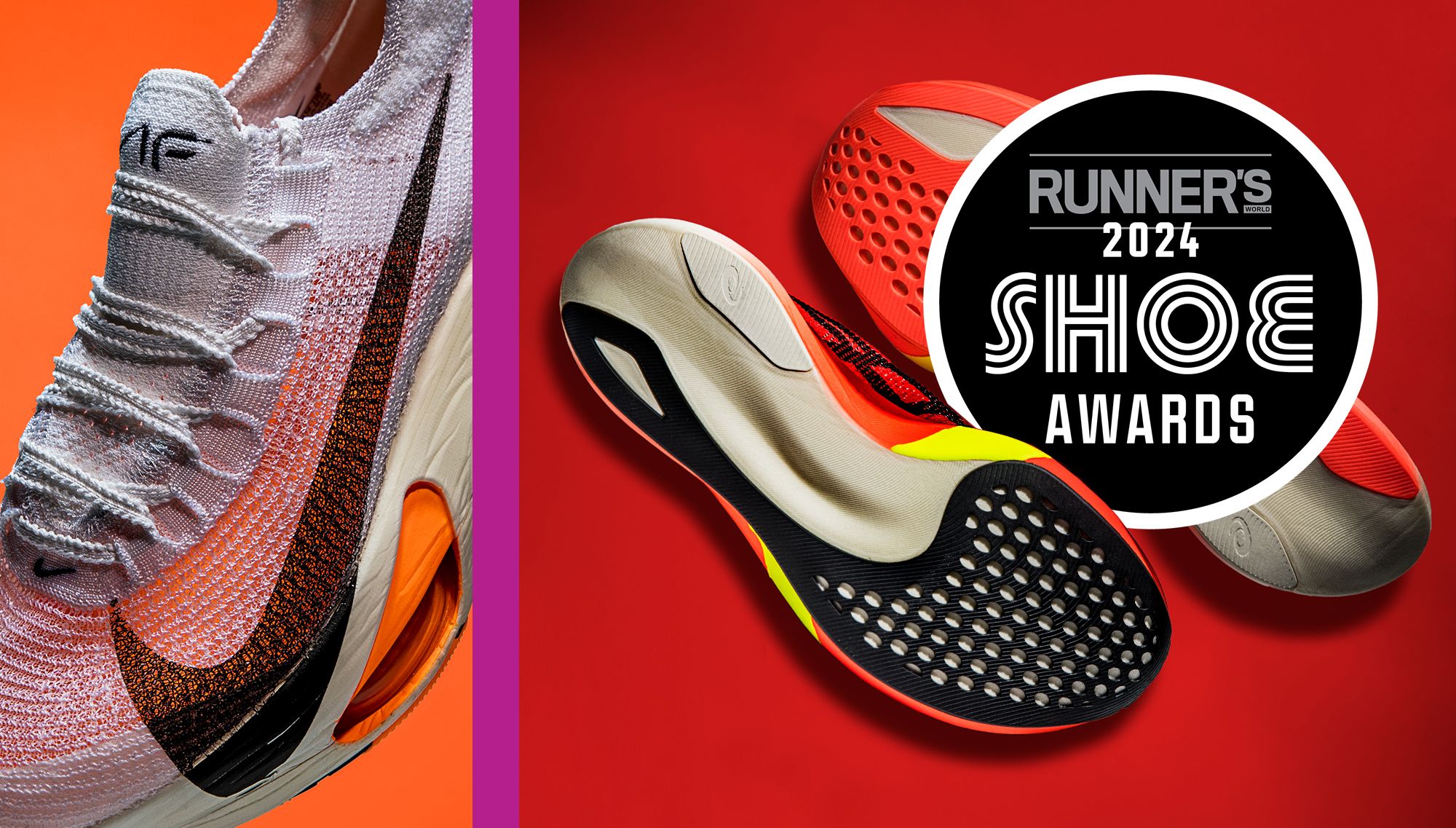
Finding the right running shoe can feel like a never-ending quest. New models are constantly hitting the market, each promising to be faster, more comfortable, or more supportive than the last. Sorting through the marketing hype to find what really works can be tricky. This year, however, a few designs stood out from the crowd, pushing the boundaries of what's possible in running footwear.
Groundbreaking Shoe Designs Making Strides
Instead of focusing on incremental updates, some manufacturers have taken bold leaps forward, experimenting with new materials, geometries, and technologies. Let's explore some of these noteworthy developments and see how they might benefit your run.
The Rise of Carbon Fiber Plates: Still Relevant?
It’s hard to talk about innovative running shoes without mentioning carbon fiber plates. While they aren't exactly a new phenomenon, their continued evolution and refinement deserve attention. These plates, embedded in the midsole, provide a propulsive "spring" effect, helping runners achieve greater efficiency and potentially faster times. But are they right for everyone?
The initial wave of carbon-plated shoes was primarily aimed at elite athletes. However, more recent models have incorporated the technology in ways that are accessible to a wider range of runners. Some brands are using softer foams in conjunction with the plates to create a more forgiving ride, making them suitable for longer distances and everyday training. Other models focus on stability, counteracting the potentially wobbly feeling some runners experience with plated shoes.
Consider the difference between a shoe like the Nike Vaporfly and a shoe like the Saucony Endorphin Speed. The Vaporfly is built for pure speed, with a stiff plate and aggressive geometry. The Endorphin Speed, on the other hand, uses a nylon plate (slightly less rigid than carbon fiber) and a more versatile midsole foam, making it a great option for both tempo runs and longer, less intense efforts. The key is to find a plated shoe that matches your specific needs and running style.
Beyond Carbon: New Materials and Midsole Technologies
While carbon fiber plates grab headlines, innovation extends far beyond just one component. Advancements in midsole foams are revolutionizing the running experience. We're seeing materials that offer a previously unheard-of combination of cushioning, responsiveness, and durability.
For example, PEBA-based foams, like those found in some high-performance racing shoes, offer exceptional energy return, meaning they bounce back quickly after each foot strike. TPU-based foams, while slightly heavier, are known for their durability and responsiveness. And traditional EVA foams, while often less expensive, are also being improved through various blending and molding processes.
One example is Adidas' Lightstrike Pro foam. It's incredibly lightweight and provides a noticeable spring in each stride. Brooks' DNA Loft v3 infused with nitrogen, also offers a lightweight and responsive ride. These new materials allow runners to enjoy more comfortable and efficient runs, regardless of distance or pace.
What is the ideal stack height for a running shoe?
Stack height, referring to the amount of material between your foot and the ground, has become a hot topic. Higher stack heights generally equate to more cushioning, but they can also impact stability. Finding the right balance is crucial. Some runners prefer the feeling of being closer to the ground, while others appreciate the plushness and impact absorption of a higher stack height.
Experimenting with different stack heights can help you determine what works best for your body and running style. Also, consider the type of running you'll be doing. Shorter, faster runs might benefit from a lower profile shoe, while longer, slower runs might be more comfortable in a shoe with more cushioning.
Sustainability: Running Towards a Greener Future
The running industry is increasingly focused on sustainability. Brands are exploring eco-friendly materials and manufacturing processes to reduce their environmental impact. This includes using recycled materials in uppers, midsoles, and outsoles, as well as developing biodegradable components.
Allbirds, for example, is known for its use of natural materials like merino wool and eucalyptus tree fiber. Other brands are partnering with organizations that collect plastic waste from oceans and landfills to create shoe components. Even small changes, such as reducing packaging and using water-based adhesives, can make a significant difference.
Choosing sustainable running shoes is a win-win. You can enjoy your runs while also contributing to a healthier planet. Look for certifications and labels that indicate a brand's commitment to sustainability, and consider supporting companies that are transparent about their environmental practices.
Adapting to Different Foot Types and Running Styles
Innovative features aren't just about speed and cushioning; they're also about providing personalized support and addressing individual needs. Some shoes are designed specifically for overpronators (runners whose feet roll inward excessively), while others cater to neutral runners or supinators (runners whose feet roll outward). Understanding your foot type and running style is essential for choosing the right shoe.
Stability shoes often incorporate features like medial posts (firmer materials on the inside of the midsole) to control overpronation. Neutral shoes typically offer a more balanced platform, allowing the foot to move naturally. And some shoes are even designed with adaptable features that can accommodate a range of foot types.
Visiting a specialty running store for a gait analysis can be incredibly helpful. A trained professional can assess your foot strike and recommend shoes that provide the appropriate level of support and cushioning.
Can running shoe technology really improve performance?
Yes, but it's important to have realistic expectations. Cutting-edge running shoe designs can certainly enhance efficiency and comfort, potentially leading to faster times and reduced risk of injury. However, they are not a substitute for consistent training, proper form, and a healthy lifestyle. A shoe is just one piece of the puzzle.
Think of it this way: a great shoe can help you run more efficiently, allowing you to train harder and recover faster. But it can't magically transform you into an elite athlete. The best approach is to view innovative running shoe technology as a tool to complement your overall training plan, rather than a quick fix for performance issues.
Ultimately, the "best" running shoe is the one that fits your foot comfortably, supports your running style, and meets your specific needs. Don't be afraid to experiment with different models and technologies to find what works best for you. And remember, the most important thing is to enjoy the process and keep moving!