
Here's the article:
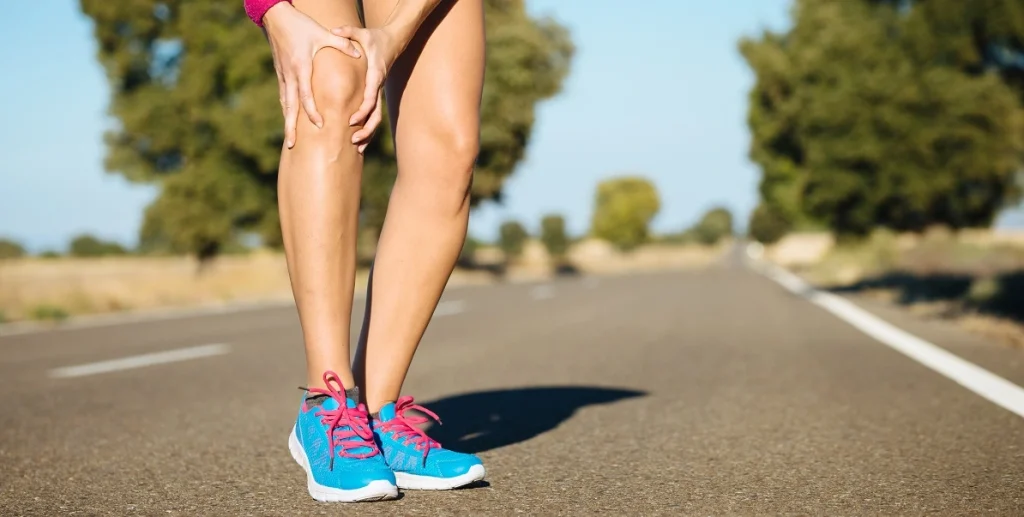
That familiar twinge in your knee after a run is never a welcome sensation. While many factors can contribute to runner's knee and other related ailments, one often-overlooked culprit might be right under your feet: your running shoes.
The Footwear Factor: How Shoes Impact Your Knees
Running is a high-impact activity. Each stride sends forces traveling up your legs, and your knees absorb a significant portion of that impact. Your shoes are the first line of defense, acting as a cushion and helping to distribute that force more evenly. When your shoes aren't up to the task, those forces can concentrate in your knees, leading to discomfort and potential injury. Worn-out shoes, shoes with inadequate support, or shoes that simply aren't the right fit for your foot type can all contribute to knee problems.
Think of it like this: imagine jumping on a trampoline. A new, bouncy trampoline absorbs a lot of the impact. But an old, worn-out trampoline with sagging springs will transfer more of the force directly to your joints. Your running shoes work in a similar way.
Are My Shoes Really the Problem? How Can I Tell?
Before jumping to conclusions, consider other potential causes for your knee pain. Have you recently increased your mileage or intensity? Are you stretching properly before and after runs? Is your form correct? If you've ruled out other factors, your shoes are worth a closer look.
Here are some telltale signs that your shoes might be the problem:
- Visible Wear and Tear: Check the soles of your shoes. Are they worn down unevenly? Are there cracks or tears in the midsole (the cushioning layer)? If your shoes look like they've seen better days, they probably have.
- Mileage: Most running shoes have a lifespan of around 300-500 miles. Keep track of your mileage, either with a running app or a simple notebook. Even if your shoes look okay, the cushioning can break down over time.
- Pain Onset: Do you notice the knee pain starting or worsening after you've been running for a certain amount of time? This could indicate that the cushioning is failing as your run progresses.
- New Pain: Did the knee pain start shortly after you began using a new pair of running shoes? The shoes might not be the right fit for your foot type or running style.
Understanding Shoe Types and Foot Types
Choosing the right running shoe isn't just about picking the prettiest color. It's about understanding your foot type and selecting a shoe that provides the appropriate support and cushioning. The three main foot types are:
- Neutral: A neutral foot lands evenly, with the arch naturally absorbing impact. Runners with neutral feet typically do well in shoes with moderate stability and cushioning.
- Overpronation: An overpronated foot rolls inward excessively upon impact. This can put extra stress on the knees and ankles. Runners who overpronate need shoes with stability features to help control the motion of the foot.
- Supination (Underpronation): A supinated foot rolls outward upon impact. This can lead to impact forces being concentrated on the outside of the foot and leg. Runners who supinate often benefit from shoes with extra cushioning and flexibility.
Determining your foot type can be done by visiting a specialty running store. Many stores offer gait analysis, which involves watching you run on a treadmill to assess your foot strike and pronation. You can also do a simple "wet foot test" at home. Wet your foot and step onto a piece of dark paper or cardboard. The imprint of your foot will give you an indication of your arch height. A full imprint suggests a flat foot (overpronation), while a very narrow imprint suggests a high arch (supination).
Once you know your foot type, you can start exploring different shoe options. Don't be afraid to ask for help from the staff at a running store. They can provide personalized recommendations based on your foot type, running style, and mileage.
Choosing New Running Shoes: What to Look For
When shopping for new running shoes, keep these factors in mind:
- Fit: Your running shoes should fit comfortably right out of the box. There should be about a thumb's width of space between your longest toe and the end of the shoe. Your heel should feel secure, without slipping.
- Cushioning: Choose a level of cushioning that feels comfortable and supportive for your feet and running style. Some runners prefer a softer, more cushioned feel, while others prefer a firmer, more responsive feel.
- Stability: If you overpronate, look for shoes with stability features such as medial posts or guide rails. These features help to control the motion of your foot and prevent excessive pronation.
- Flexibility: The shoe should flex comfortably at the ball of your foot. Too much stiffness can restrict your natural stride.
- Weight: Lighter shoes can help you run faster and more efficiently, but they may not provide as much cushioning or support as heavier shoes.
Don't be afraid to try on several different pairs of shoes and run around the store to get a feel for them. Many running stores have treadmills that you can use to test out shoes before you buy them.
How Often Should I Replace My Running Shoes?
As a general rule, you should replace your running shoes every 300-500 miles. However, this can vary depending on your weight, running style, and the type of shoe. If you're experiencing knee pain, it's always a good idea to err on the side of caution and replace your shoes sooner rather than later.
Beyond Shoes: Addressing Other Factors
While the right running shoes can make a big difference, they're not a magic bullet. It's important to address other factors that can contribute to knee pain, such as:
- Running Form: Poor running form can put extra stress on your knees. Consider working with a running coach to improve your form.
- Strength Training: Strengthening the muscles around your knees can help to stabilize the joint and prevent injuries. Focus on exercises that target your quads, hamstrings, and glutes.
- Stretching: Stretching regularly can improve flexibility and range of motion, which can help to reduce knee pain.
- Proper Warm-up and Cool-down: Always warm up before your run and cool down afterward. This will help to prepare your muscles for exercise and prevent injuries.
- Gradual Progression: Avoid increasing your mileage or intensity too quickly. Gradually increase your training volume to allow your body to adapt.
Experiencing discomfort in the knees after running is something that a lot of runners experience. Taking a close look at your footwear is a great starting point. Sometimes, simply swapping out your old, worn-out shoes can make a world of difference. However, it's important to remember that shoes are just one piece of the puzzle. By addressing other factors such as running form, strength, and flexibility, you can take a proactive approach to preventing knee pain and enjoying a long and healthy running career.
Ultimately, listening to your body is crucial. If you're experiencing persistent knee pain, it's always best to consult with a doctor or physical therapist to get a proper diagnosis and treatment plan.