
Dealing with Achilles tendon pain can seriously disrupt your life, especially if you're active. One often-overlooked aspect of managing this condition is the footwear you select. Picking the right shoes can make a significant difference in your comfort level and how quickly you recover.
Understanding the Achilles and Its Needs
The Achilles tendon, that thick cord connecting your calf muscles to your heel bone, is crucial for walking, running, and jumping. When it's strained or inflamed, even simple movements can become excruciating. Proper footwear supports and cushions this tendon, reducing stress and promoting healing.
Think of your shoes as the foundation for every step. If the foundation is weak or uneven, the structure it supports (your Achilles) is going to suffer. Ill-fitting shoes can exacerbate existing problems and even contribute to new ones.
What Makes a Shoe "Achilles-Friendly"?
Several factors contribute to a shoe's suitability for someone with Achilles tendon issues. These include heel height, arch support, cushioning, and overall stability.
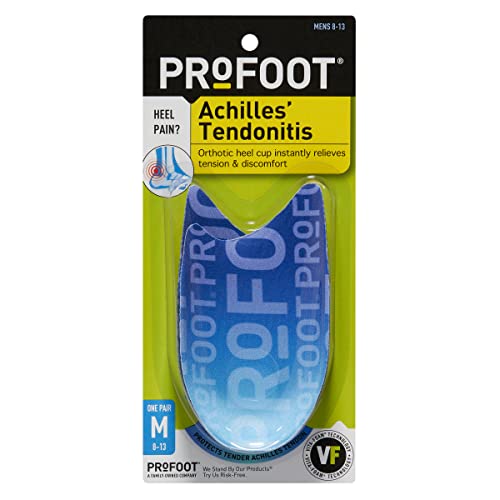
Heel Height: A slight heel elevation, typically around 10-12mm, can reduce strain on the Achilles tendon. This elevation gently shortens the distance the tendon needs to stretch during each step. Avoid completely flat shoes, as they can sometimes worsen the problem. Barefoot-style shoes, while popular, aren't always the best choice when recovering from an injury. Consider a small heel lift, either built into the shoe or added as an insert.
Arch Support: Proper arch support ensures your foot functions correctly and helps distribute weight evenly. Overpronation (when the foot rolls inward excessively) or supination (rolling outward) can both put undue stress on the Achilles. If you have flat feet or high arches, look for shoes designed to correct these issues. Many running shoe stores offer gait analysis to determine your foot type and recommend suitable models.
Cushioning: Adequate cushioning absorbs impact and reduces stress on the tendon. Look for shoes with well-cushioned midsoles, especially in the heel area. Materials like EVA foam or gel are common choices. Different brands use proprietary cushioning technologies, so it might be worth trying several options to see what feels best. Imagine running on concrete versus running on a well-padded track – the difference in impact is significant.
Stability: A stable shoe provides good support and prevents excessive movement. This is especially important if you're prone to overpronation. Look for features like medial posts (firmer material on the inside of the midsole) or reinforced heel counters (the part of the shoe that wraps around the heel) to enhance stability. Think of a car with good suspension versus one that bounces all over the road. You want the controlled and smooth ride.
Shoe Types and Their Suitability
Different types of shoes offer varying levels of support and cushioning. Understanding these differences can help you make informed decisions.
Running Shoes: Generally a good option, especially those designed for stability or cushioning. Look for models specifically recommended for Achilles tendonitis or plantar fasciitis. Brands like Brooks, ASICS, Saucony, and Hoka often have suitable options. Consider that running shoes need to be replaced often. The midsole material breaks down over time and they lose their shock absorption. So even shoes that used to be a good choice, may no longer be a good choice if you are still wearing them 2+ years later.
Walking Shoes: Similar to running shoes, but often with more emphasis on comfort and stability. They may be a better choice for everyday wear if you're not actively running. New Balance and Skechers often offer comfortable and supportive walking shoes.
Cross-Training Shoes: Offer a blend of cushioning and stability, suitable for various activities. However, they may not provide as much cushioning as dedicated running shoes. Reebok and Nike are popular brands for cross-training.
Dress Shoes: Typically not ideal, especially those with high heels or stiff soles. If you must wear dress shoes, opt for styles with a slight heel and good arch support. Consider adding orthotic inserts for added comfort and support. Some brands, like Rockport, specialize in comfortable dress shoes.
Sandals/Flip-Flops: Usually not recommended, as they offer minimal support and cushioning. However, some supportive sandals with arch support and cushioning can be suitable for short periods. Brands like Birkenstock and OOFOS offer such options, but they shouldn't be worn for prolonged activities. These are often better options for indoor use around the house where you would otherwise walk barefoot.
Practical Tips for Finding the Right Fit
Finding the right shoe involves more than just picking a style. Here are some practical tips to ensure a good fit:
- Get professionally fitted: Visit a specialty running shoe store and have your feet measured and analyzed. The staff can recommend shoes based on your foot type and gait.
- Try shoes on in the afternoon: Your feet tend to swell throughout the day, so trying on shoes later in the day will ensure a more accurate fit.
- Wear the socks you normally wear: When trying on shoes, wear the same type of socks you'll be wearing when you use them.
- Walk or run in the shoes: Don't just stand there! Take a few laps around the store to get a feel for how the shoes perform.
- Pay attention to the fit: Ensure there's enough room in the toe box (about a thumb's width between your longest toe and the end of the shoe) and that the heel doesn't slip.
- Listen to your body: If something doesn't feel right, don't force it. Trust your instincts and try a different pair.
People Also Ask: Should I use orthotics?
Orthotics, whether custom-made or over-the-counter, can provide additional support and cushioning. They can be particularly helpful if you have flat feet, high arches, or other foot problems. Consult with a podiatrist or physical therapist to determine if orthotics are right for you.
Can I continue exercising with Achilles problems?
It depends on the severity of your condition. In many cases, modifying your activities and wearing supportive shoes can allow you to continue exercising. Low-impact activities like swimming, cycling, and walking are often good choices. Avoid activities that put excessive stress on the Achilles, such as running uphill or jumping. Always consult with your doctor or physical therapist before starting any new exercise program.
Beyond Footwear: A Holistic Approach
While appropriate footwear is important, it's just one piece of the puzzle. Managing Achilles tendon issues often requires a comprehensive approach that includes:
- Rest: Avoid activities that aggravate your pain.
- Ice: Apply ice packs to the affected area for 15-20 minutes several times a day.
- Compression: Wear a compression bandage to reduce swelling.
- Elevation: Elevate your leg to promote blood flow and reduce swelling.
- Stretching and strengthening exercises: Perform exercises recommended by your physical therapist to improve flexibility and strength.
- Medications: Over-the-counter pain relievers like ibuprofen or naproxen can help reduce pain and inflammation. In some cases, your doctor may prescribe stronger medications or recommend injections.
Addressing Achilles pain needs to involve more than just your feet. Consider your activities, posture, and overall lifestyle for the best results. Consider adjustments such as getting a standing desk, losing weight, or improving your running form.
My Personal Experience and Recommendations
I've dealt with Achilles pain myself, and I know how frustrating it can be. Through trial and error, I've found that a combination of supportive shoes, regular stretching, and avoiding overly strenuous activities has been the most effective approach for me. Personally, I have had good results with both ASICS Gel-Kayano and Hoka Clifton models for daily walking. While on my feet a lot at work, I prefer Dansko clogs due to their firm support and slight heel lift. Your experience could vary, so it's important to listen to your body and experiment with different options to find what works best for you.
The best shoes to wear when you have Achilles tendon discomfort may require research and some informed trial and error. Remember, finding the right pair of shoes for supporting your Achilles tendon is not a quick fix but a crucial part of a comprehensive approach to healing. Patience and persistence are key. Don't hesitate to seek professional guidance from a podiatrist or physical therapist to develop a personalized plan that addresses your specific needs.